

Independent consulting arborist · San Francisco Bay Area
A neighbor's tree is damaging your property. Get the facts in writing before the argument.
Boundary Tree writes independent arborist reports for neighbor tree disputes: roots in your fence or foundation, limbs over your roof, a tree that fell or looks like it will, a view your city's ordinance protects. One site visit, a report you can hand to your neighbor, a mediator, your insurer or small claims court.
What the report settles
- Whose tree it is under Civil Code 833 and 834
- Whether the roots or limbs are actually causing the damage, and how
- Whether the tree is a hazard, and to what
- What you may cut yourself, and where that right stops
- Whether your city has a view, heritage or protected-tree ordinance that changes the answer
- What a reasonable fix looks like, and who should do which part
Start with your situation
Six problems account for almost every call
"Their roots are wrecking my fence, driveway or foundation."
Whose problem it is, what you may cut, and why cutting the wrong roots can make you liable for the tree.
Roots and damage →"Branches hang over my yard and drop on my roof."
California's self-help rule, its limits, and when overhang becomes a nuisance you can act on.
Overhanging limbs →"Their tree fell on my house. Who pays?"
Negligence versus act of God, what your insurer needs, and why the condition of the tree before it fell decides the answer.
Fallen trees →"The tree next door is dead or leaning at my house."
How to put the owner on written notice with an arborist's findings, which is what shifts liability if it falls.
Hazard trees →"Their trees took my view."
Oakland, Berkeley, Tiburon, Belvedere and Sausalito have view ordinances. The process and what the arborist report has to show.
View obstruction →"My neighbor is demanding I remove my tree."
For the tree owner: whether the tree is a hazard at all, what you actually owe, and a report you can hand back.
Defending your tree →Services
Flat fees, published, confirmed in writing before the visit
Dispute Assessment Report
The report for roots, limbs, debris, hazard and ownership disputes
- Species, size, condition, ownership and encroachment findings
- Damage attribution: what the tree is and is not causing
- Civil Code and local ordinance that apply, cited
- Photo documentation and recommended next steps
- Written to be read by the other side
View Obstruction Report
For cities with a view ordinance
- View corridor documentation from your property
- Findings against the ordinance's own standards
- Restorative options: trim, thin, top, remove, none
- Formatted for the city's claim process
Cause & Condition Report
After a tree or limb fails
- Pre-failure condition evidence
- Failure mode and contributing factors
- Written for adjusters and claim files
Desk review from photos and letters $250 · Neighbor letter add-on $150 · Expert witness and court time $250 per hour · All pricing →
Why an independent report changes the conversation
Most tree disputes are two neighbors arguing about facts neither of them can establish
Is the trunk on the line? Are those roots even from that tree? Is it actually dying? Would pruning solve it or kill it? Does the city care? A tree company has an invoice riding on the answer. A lawyer cannot answer it at all. An independent certified arborist can, in a document both sides can read.
- Ownership is decided by where the trunk stands, not where the branches reach. We measure it.
- Root damage claims are often wrong about which tree, or wrong that roots are the cause. We dig, trace and photograph.
- "Hazardous" has a professional meaning. We say whether the tree meets it, and what the target is.
- Cutting roots or limbs on your side is legal in California only if it is done reasonably. The report tells you where that line is, before you cross it.
Three ways the report gets used
Handed to the neighbor. Most disputes end here. A neutral document with photographs and code citations is hard to argue with and easy to act on. Add the $150 neighbor letter if you want it on letterhead.
Taken to mediation or small claims. Community mediation centers in every Bay Area county take tree cases. Small claims hears damage claims up to $12,500. The report is the evidence in both.
Sent to an insurer or attorney. Adjusters want pre-failure condition and causation. Attorneys want a credentialed expert who has already documented the site. Both are in the report.
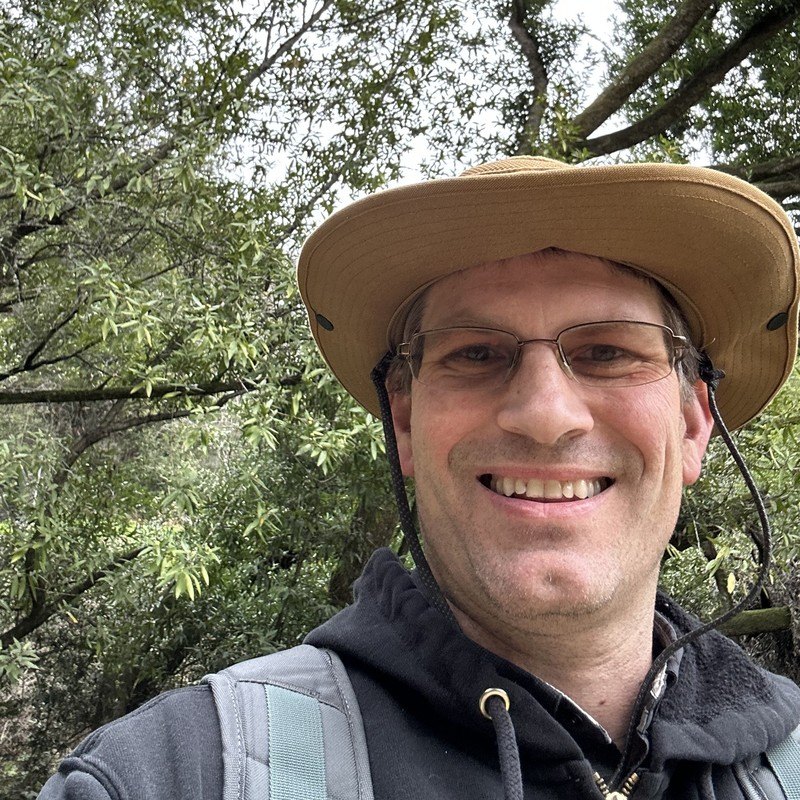
The arborist
Michael Schuck, ISA Certified Arborist WE-15750A
Founder of Urban Forestry Guide, the Bay Area's reference for tree permits and ordinances, and of California Fire Defense. Boundary Tree is the same arborist and the same report standard, pointed at the problem between two properties. About →
How it works
Four steps, usually inside two weeks
- Tell us what is happening. Text, call, or use the intake form with the address and photos. We tell you whether a report will help and quote the fee in writing. No charge for that conversation.
- Site visit within 7 days. From your property and the public right of way, or from the neighbor's side with their written permission. We measure, photograph, trace roots where we can, and assess condition.
- Report in 7 to 10 business days. Findings, photographs, the law and ordinance that apply, and recommended next steps. 48-hour turnaround available at a surcharge.
- You use it. Hand it over, mediate, file, or send it to your adjuster or attorney. We are available by the hour if the matter goes further.
Questions people ask
Do you take sides?
No. The report states what the tree is doing, whose tree it is under California law, what your city's rules add, and what a reasonable next step looks like. It is written the same way whether the person paying is the tree owner or the neighbor. That independence is why the other side, a mediator, an adjuster or a judge will read it.
Why not just call a tree company?
A tree company sells tree work, so its opinion about whether a tree should come down is also a bid. We do not sell or refer tree work and take no referral fees, which is the reason cities, insurers and courts accept the reports.
Is this legal advice?
No. We are consulting arborists, not lawyers. The report explains the arboricultural facts and cites the code sections and local ordinances that usually apply, so you and your attorney, if you have one, can act on it.
Can you come onto my neighbor's property?
Only with their written permission. Otherwise we assess from your property and the public right of way, and the report says so. That limitation is normal and does not weaken the report.
How fast?
Site visit within 7 days of booking. Report 7 to 10 business days after the visit. A 48-hour turnaround is available at a surcharge when a deadline is real.